Turf Replacement in Surprise, AZ

Click to Call623-254-4115

Turf Replacement for Worn Turf and Thirsty Lawns
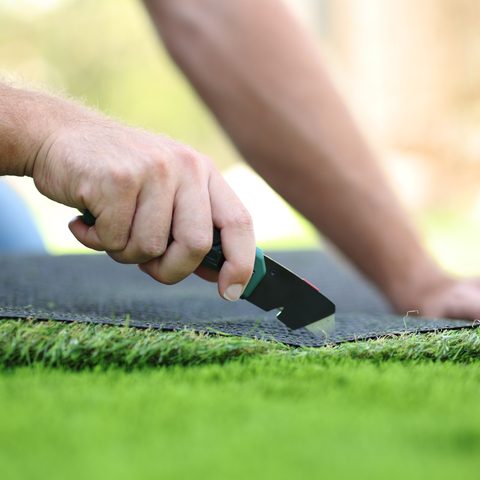
Hand cutting the edge of a turf piece with a utility knife

Turf replacement means one of two things. Some owners have artificial grass that has reached the end: flattened, faded, split at the seams or smelling of dogs. Others have a living lawn that takes too much water and attention, and want turf in its place. Surprise Turf Works handles both in Surprise and nearby communities.

Either way, the old surface has to come out cleanly, and the ground under it has to be checked before anything new goes down. Fresh turf laid over a tired base will show every old problem.

Tell us what is going wrong with the current surface: lifting seams, smell, flat spots, puddles, or a lawn that drinks too much. That points the visit at the right things, and the quote that comes out of it is free.

623-254-4115 reaches us, and the form works too. If the job is really about a new pet area, read the artificial grass for dogs page as well.

Free Turf Replacement Quote

Free quote. No obligation.
What do you need?

Turf Replacement Cost Factors


Most of the spread in a replacement quote sits underneath the surface. The big variables:

If only part of the turf has failed, ask whether a section can be replaced instead of the whole yard. Sometimes it can. Sometimes a patch will look different from the older turf around it.

Repair, Replace or Convert


Swapping a living lawn for turf

Bermuda spreads by runners above and below the ground, so it pays to get it out thoroughly. Runners left in the soil can push up through seams and edges later. Trees that were watered by the lawn sprinklers will need water from drip lines instead.

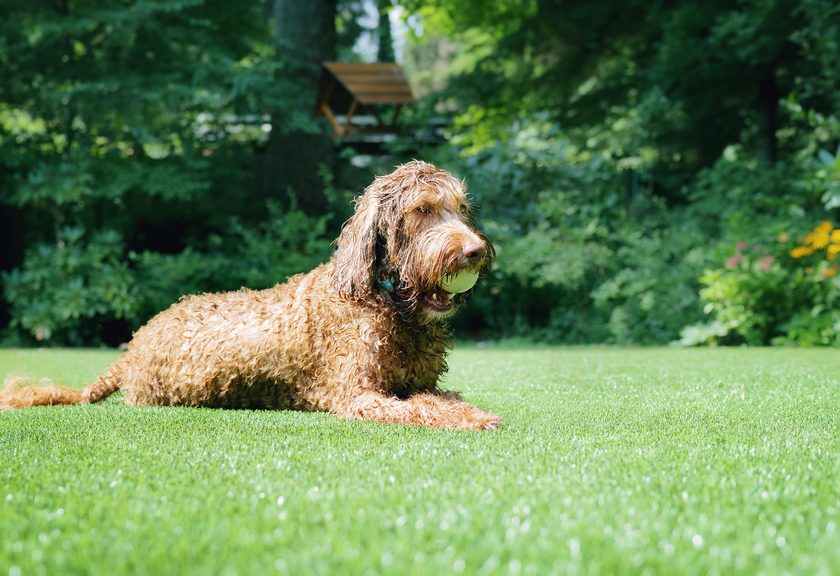
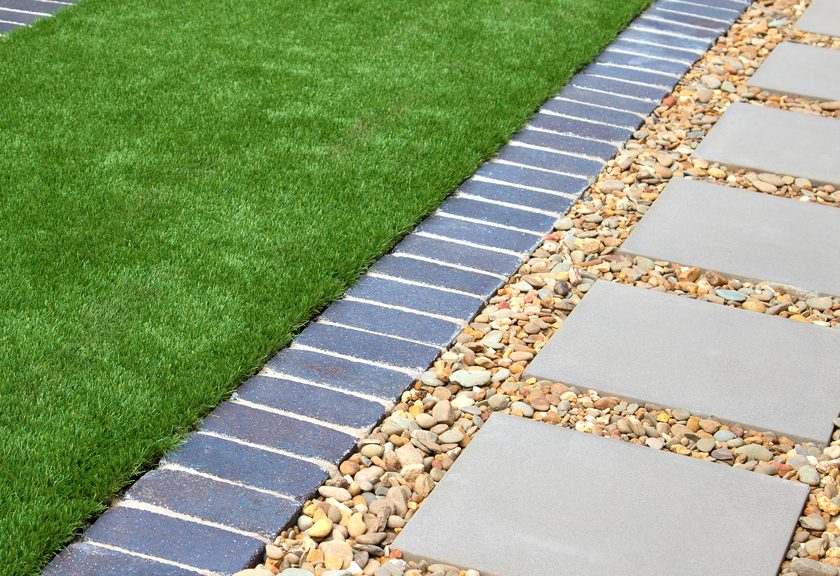
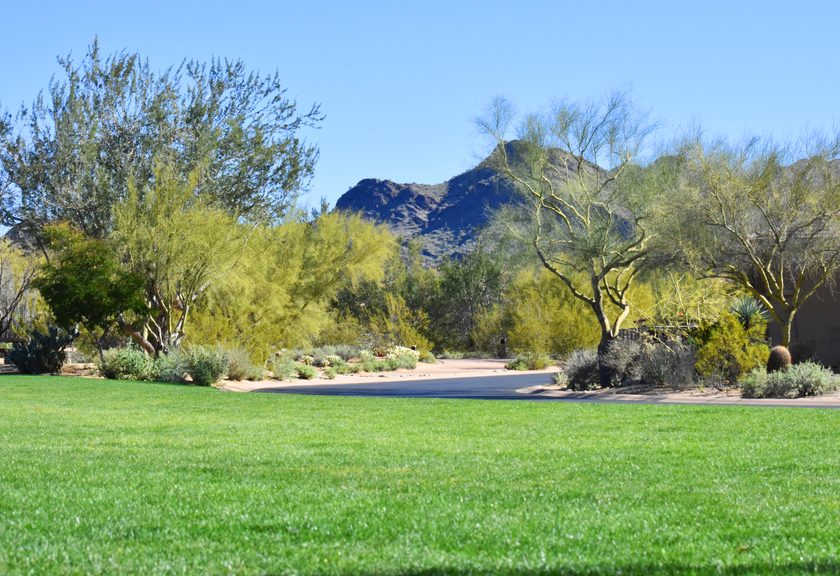
Natural grass lawn edged by desert trees, shrubs and a rocky mountainCurly-coated brown dog lying on artificial grass with a ball in its mouthArtificial grass edged with dark brick beside pebbles and concrete stepping pads

Keeping part of the lawn

Not every lawn has to go at once. Some owners keep a small patch of living grass in a shady spot and put turf where the grass always struggled. In that case the sprinklers for the living patch stay, and the edge between the two needs a clean border so Bermuda runners don’t creep under the turf.

When it is time to replace

Blades that have flattened and won’t brush back up, color that has faded unevenly, backing that tears when you pull on it, or a smell that rinsing doesn’t fix all point to a surface that is finished. Weeds pushing through in many places usually mean the base needs attention too.

When old turf can be repaired

A single lifted seam, a small burn or a loose edge can often be fixed. Repairing makes sense when the rest of the turf still looks and feels good.

Taking Out the Old, Putting Down the New


Removal. Old turf is cut into manageable strips, rolled and carried out. Infill comes up with it or is scraped away. For a lawn conversion, the grass and its roots are removed and the soil is dug down a few inches.

Checking the base. This step decides how the new turf will do. Low spots, washouts, soft areas and soil that holds pet odor are found and dealt with, and the grade is corrected so water runs away from the house.

Irrigation changes. Sprinklers in the turf area are capped, and drip lines to trees and beds are kept or rerouted.

New turf. The new turf is laid, seamed, fastened along the borders, filled and brushed, just as on a first-time install.

If water used to sit on the old turf after a rinse or a storm, mention it at the visit. Standing water usually traces back to the grade underneath or to packed soil that won’t take water, and a new surface won’t fix that by itself, which is why the base is usually looked at during the visit.

Caring for the New Turf in Desert Heat


Some of what wears turf out early can be headed off. If the last turf gave up sooner than you hoped, these are worth a look:

If the old turf failed in one spot first, such as a path or a dog’s favorite corner, plan for that spot this time.

Turf Replacement Questions


Can new turf go on top of my old turf?

It isn’t a good idea. The old turf and its infill would sit between the new turf and the base, holding dirt and moisture and hiding any low spots. The old surface should come out first.

What happens to the old turf?

Ask whether removal and disposal are included in the quote, and how they are handled. If you want a piece kept for some other use, say so at the visit.

Can my old base be reused?

Sometimes. If it is firm, drains well and hasn’t absorbed odors, it can often be regraded, topped up and compacted again. If it has sunk, washed out or smells, replacing it makes more sense. That gets checked at the visit.

Should my Bermuda be killed off before the lawn comes out?

Many installers suggest it, since Bermuda roots left in the soil can send up new shoots. Ask about the plan for your lawn at the visit, including any waiting period before the grass is removed.

Call 623-254-4115 with what you have now and roughly how big it is, or use the form.

Other Turf Projects Around Surprise


Notes on heat, water and HOAs in town are on the home page. Phone and form details are also on the contact page.

Click to Call623-254-4115
Click to Call: 623-254-4115